Many devotees struggle to find accurate information about temple timings, darshan process, nearby transport, accommodation, and travel planning before visiting famous temples. If you are planning a spiritual trip to the famous Dashavatara Temple, this detailed guide will help you with everything from darshan timings and travel routes to nearby hotels, rituals, facilities, and practical travel tips.
The term “Dashavatara Temple” is commonly associated with the ancient and historically significant Dashavatara Temple at Deogarh, Uttar Pradesh, one of the earliest surviving Hindu stone temples dedicated to Lord Vishnu. This temple is renowned for depicting the ten incarnations (Dashavatara) of Lord Vishnu and holds immense importance in Indian temple architecture and Vaishnav traditions.
Whether you are a pilgrim, history lover, architecture enthusiast, or first-time traveler, this complete temple guide will make your visit easier and more spiritually fulfilling.
About Dashavatara Temple
The Dashavatara Temple is located in Deogarh village near Lalitpur district in Uttar Pradesh. Built during the Gupta period around the 6th century CE, this temple is considered one of the finest examples of early North Indian temple architecture.
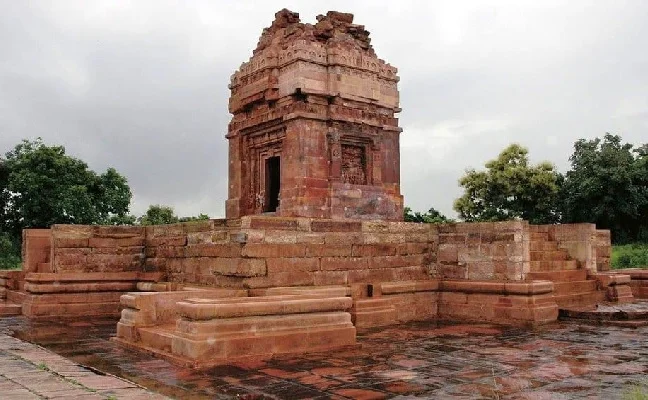
The temple is primarily dedicated to Lord Vishnu, and many intricate carvings and sculptures across the temple walls depict scenes related to Vishnu’s avatars. Though partially in ruins today, the temple remains a treasured archaeological and spiritual site.
The temple stands near the famous Betwa River and attracts historians, archaeologists, devotees, and tourists from across India.
History and Mythological Significance
The Dashavatara Temple is believed to have been constructed during the reign of the Gupta Empire, often called the “Golden Age of India.” Historians estimate the temple dates back to approximately 500–525 CE.
This temple is highly significant because:
- It represents one of the earliest known Panchayatana-style Hindu temples.
- The temple showcases some of the earliest shikhara (tower) architectural elements.
- The carvings narrate stories from Hindu scriptures including Vishnu’s divine incarnations.
The name “Dashavatara” refers to the ten avatars of Lord Vishnu:
- Matsya
- Kurma
- Varaha
- Narasimha
- Vamana
- Parashurama
- Rama
- Krishna
- Buddha
- Kalki
The temple especially highlights the Varaha avatar, where Lord Vishnu rescues Earth from cosmic destruction.
Why the Temple is Famous
The Dashavatara Temple is famous for several reasons:
- One of the oldest surviving Hindu temples in India
- Exceptional Gupta-era architecture
- Detailed carvings depicting Vishnu avatars
- Archaeological importance
- Spiritual importance for Vaishnav devotees
- Beautiful location near Betwa River
- Historic stone sculptures and panels
It is also widely studied by architecture students and historians because it showcases the transition from cave temples to free-standing temple structures.
Main Deity and Spiritual Importance
The main deity of the temple is Lord Vishnu.
Though the original idol is no longer present inside the sanctum, the temple remains spiritually important for devotees who worship Vishnu and his incarnations.
Many pilgrims believe visiting the Dashavatara Temple helps devotees:
- Gain spiritual wisdom
- Understand Vishnu’s divine role in protecting dharma
- Experience peace and positive energy
- Connect with ancient Indian spiritual traditions
The temple’s sacred atmosphere and historical aura create a deeply meditative experience.
Quick Information Table
| Information | Details |
| Temple Name | Dashavatara Temple |
| Location | Deogarh, Lalitpur District |
| State | Uttar Pradesh |
| Main Deity | Lord Vishnu |
| Temple Timings | 7:00 AM – 6:00 PM |
| Aarti Timings | Morning & Evening Aarti |
| Entry Fee | Usually Free |
| Best Time to Visit | October to March |
| Nearest Railway Station | Lalitpur Railway Station |
| Nearest Airport | Gwalior Airport |
| Parking Availability | Limited Parking Available |
Dashavatara Temple Timings and Aarti Schedule
Many travelers search online for Dashavatara Temple timings before planning their visit. The temple generally follows daytime opening hours because it is maintained as an archaeological heritage site.
Darshan and Aarti Timings Table
| Activity | Timing |
| Morning Darshan | 7:00 AM – 12:00 PM |
| Evening Darshan | 2:00 PM – 6:00 PM |
| Morning Aarti | Around 8:00 AM |
| Evening Aarti | Around 5:30 PM |
| Special Puja Timing | During Festivals & Ekadashi |
Timings may vary during festivals, public holidays, or archaeological maintenance activities.
How to Reach Dashavatara Temple
If you are wondering how to reach Dashavatara Temple, there are multiple convenient travel options.
By Train
The nearest railway station to Dashavatara Temple is Lalitpur Railway Station, located around 33–35 km away.
Lalitpur is connected to:
- Delhi
- Jhansi
- Bhopal
- Gwalior
- Kanpur
From the station, visitors can hire:
- Auto-rickshaws
- Shared jeeps
- Private taxis
By Metro
There is currently no metro connectivity available to the Dashavatara Temple area.
By Bus
Regular buses operate from nearby cities including:
- Jhansi
- Lalitpur
- Gwalior
- Tikamgarh
The nearest local bus stop is in Deogarh village.
By Air
The nearest airport to Dashavatara Temple is:
Gwalior Airport
Distance: Approximately 125–140 km
Other nearby airports include:
- Khajuraho Airport
- Kanpur Airport
After reaching the airport, travelers can hire taxis or take buses toward Lalitpur and Deogarh.
By Private Vehicle
Traveling by car is one of the best options because public transport near the temple can be limited.
Road conditions are generally decent from:
- Jhansi
- Lalitpur
- Gwalior
Using Google Maps is recommended for smooth navigation.
Nearest Railway Station to Dashavatara Temple
The nearest railway station to Dashavatara Temple is:
Lalitpur Railway Station
Distance from temple: Around 35 km
Facilities available:
- Waiting rooms
- Auto-rickshaws
- Food stalls
- Taxi services
From Lalitpur, visitors usually take private transport to reach the temple.
Nearest Airport and Bus Stand
Nearest Airport
| Airport | Distance |
| Gwalior Airport | 125–140 km |
| Khajuraho Airport | Around 175 km |
Nearest Bus Stand
The nearest bus stand is located at:
Deogarh Bus Stand
Small local buses and shared vehicles connect nearby towns.
Parking and Local Transport Availability
Many travelers ask about parking at Dashavatara Temple before visiting.
Parking Facilities
- Small parking area available
- Limited space during weekends and holidays
- Free or low-cost parking in nearby open areas
Local Transport
Available transport options include:
- Shared jeeps
- Auto-rickshaws
- Local taxis
- Private vehicles
Since transport frequency may be low in rural areas, return travel should be planned in advance.
Temple Entry Rules and Dress Code
Although the Dashavatara Temple is also an archaeological site, visitors are expected to maintain respectful behavior.
Dress Code
Recommended attire:
For Men
- Traditional wear
- Full pants
- Decent shirts/kurtas
For Women
- Saree
- Salwar suit
- Kurti
- Modest clothing
Avoid:
- Short clothes
- Loud behavior
- Smoking near temple premises
Darshan Process and VIP Darshan Information
The darshan process at Dashavatara Temple is usually simple because the temple does not experience extremely heavy crowds daily.
Regular Darshan
- Visitors can directly enter during temple hours
- No long queues on normal days
- Peaceful atmosphere for meditation and exploration
VIP Darshan
Currently, there is generally no formal VIP darshan system available.
However, during festivals or special occasions, local arrangements may vary.
Best Time to Visit the Temple
The best time to visit Dashavatara Temple is during the winter season.
Ideal Months
- October
- November
- December
- January
- February
- March
Why Winter is Best
- Pleasant weather
- Comfortable sightseeing
- Easier temple exploration
- Better photography conditions
Avoid visiting during peak summer afternoons because temperatures in Uttar Pradesh can become extremely high.
Major Festivals Celebrated
Several Vaishnav festivals are celebrated with devotion at the temple.
Important Festivals
Janmashtami
Celebrates the birth of Lord Krishna.
Ram Navami
Dedicated to Lord Rama.
Vaikuntha Ekadashi
Special prayers and Vishnu worship.
Narasimha Jayanti
Celebrates the Narasimha avatar of Vishnu.
Festivals usually attract larger crowds and devotional activities.
Available Facilities
Though the temple is located in a relatively rural area, basic facilities are available.
| Facility | Availability |
| Washroom | Limited |
| Drinking Water | Available Nearby |
| Locker Facility | Usually Not Available |
| Shoe Stand | Small Shoe Area |
| Wheelchair Accessibility | Partial Accessibility |
| Food Availability | Local Shops Nearby |
Hotels and Dharamshalas Near the Temple
Many tourists search for hotels near Dashavatara Temple while planning their trip.
Accommodation options are mainly available in:
- Lalitpur
- Jhansi
- Nearby towns
Budget Hotels
Simple lodges and guest houses are available for budget travelers.
Mid-Range Hotels
Lalitpur and Jhansi offer better hotel facilities including:
- AC rooms
- Family rooms
- Parking
- Restaurants
Dharamshalas
Some religious accommodations and dharamshalas may be available in nearby towns for pilgrims.
Advance booking is recommended during festival seasons.
Nearby Famous Places and Attractions
Your Dashavatara Temple trip can also include nearby attractions.
Deogarh Fort
Historic fort with panoramic views and ancient ruins.
Betwa River
Peaceful riverside spot ideal for photography and relaxation.
Jain Temples of Deogarh
Famous cluster of ancient Jain temples with remarkable carvings.
Jhansi
Historic city associated with Rani Lakshmibai.
Important Travel Tips for First-Time Visitors
If this is your first visit, these tips can help greatly.
Travel Tips
- Start early in the morning
- Carry drinking water
- Wear comfortable footwear
- Keep cash for local transport
- Download offline maps
- Plan return transport beforehand
- Avoid isolated travel late evening
Because the temple is in a quieter rural region, planning ahead is important.
Safety and Crowd Management Tips
Safety Suggestions
- Stay hydrated during summer
- Be careful on uneven stone pathways
- Keep elderly travelers supported
- Avoid overcrowded areas during festivals
- Secure mobile phones and wallets
Families with children should stay together because some surrounding areas are rocky.
Things to Carry Before Visiting
Here are some useful items to carry:
- Water bottle
- Sunglasses
- Hat or cap
- Power bank
- Comfortable clothing
- Basic medicines
- Camera
- Small cash amount
During summer, sunscreen is highly recommended.
Photography and Mobile Rules
Photography is generally allowed in outer temple areas because of the temple’s archaeological importance.
However:
- Respect local guidelines
- Avoid flash photography near carvings
- Do not disturb worship activities
- Drone photography may require permission
Mobile phones are usually allowed.
Dashavatara Temple Darshan Booking
Currently, there is generally no online Dashavatara Temple darshan booking system available because the temple does not operate like large commercial pilgrimage centers.
Visitors can usually enter directly during temple timings.
Spiritual Experience at Dashavatara Temple
One of the most beautiful aspects of visiting the Dashavatara Temple is the peaceful spiritual atmosphere.
Unlike heavily crowded temples, this ancient site offers:
- Quiet meditation spaces
- Historical connection
- Sacred artistic beauty
- Calm surroundings
Many visitors describe the temple as a hidden spiritual treasure of India.
FAQs
Q: What are Dashavatara Temple timings?
A: The temple is generally open from 7:00 AM to 6:00 PM.
Q: What is the nearest railway station to Dashavatara Temple?
A: Lalitpur Railway Station is the nearest railway station.
Q: How to reach Dashavatara Temple from Jhansi?
A: You can travel by road via taxi, bus, or private vehicle from Jhansi to Deogarh.
Q: Is parking available at Dashavatara Temple?
A: Yes, limited parking at Dashavatara Temple is available near the site.
Q: What is the best time to visit Dashavatara Temple?
A: October to March is considered the best time to visit Dashavatara Temple.
Q: Are hotels available near Dashavatara Temple?
A: Yes, budget hotels and lodges are available in Lalitpur and Jhansi.
Q: Is there VIP darshan at Dashavatara Temple?
A: Usually, there is no formal VIP darshan system.
Q: Is photography allowed inside the temple premises?
A: Photography is generally allowed in outer areas, but visitors should follow local rules.
Conclusion
The Dashavatara Temple is not just an ancient monument but a remarkable spiritual and architectural masterpiece that reflects India’s deep cultural heritage. From beautiful carvings and Gupta-era artistry to peaceful surroundings and Vishnu devotion, the temple offers a unique experience for pilgrims and travelers alike.
Whether you are searching for Dashavatara Temple timings, how to reach Dashavatara Temple, nearest railway station to Dashavatara Temple, or practical details about accommodation and facilities, planning your journey in advance can make your visit smooth and spiritually rewarding.
If you love history, spirituality, architecture, and peaceful temple experiences away from heavy crowds, the Dashavatara Temple in Deogarh deserves a special place on your travel list.